


Introduction
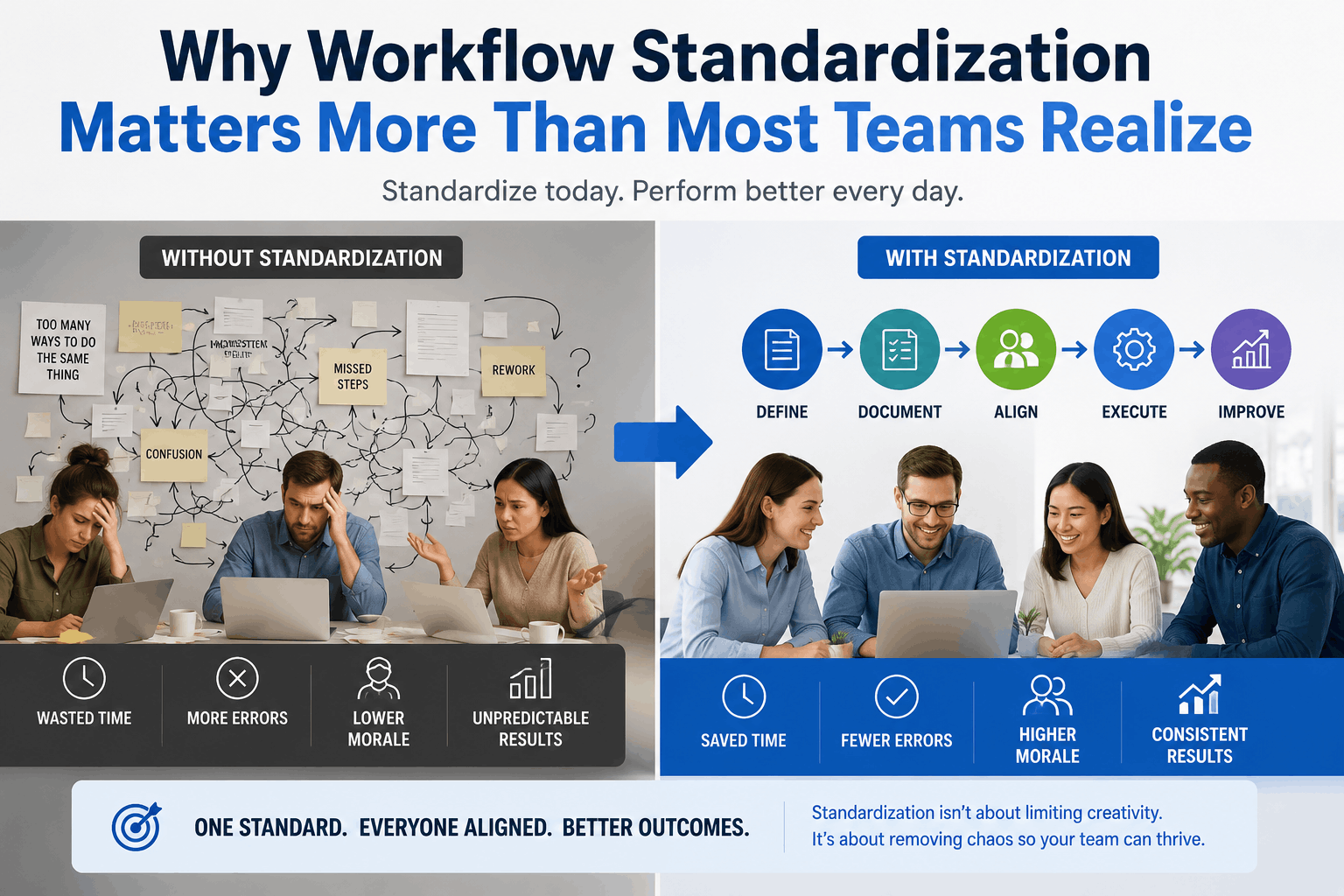
As organizations grow, operational complexity increases significantly. Teams expand, workflows become more layered, departments become more specialized, and coordination between operational environments becomes increasingly difficult to manage consistently.
Many organizations invest heavily in software tools, automation platforms, and reporting systems while overlooking one of the most important operational foundations for scalability: workflow standardization.
Without standardized workflows, businesses often experience fragmented execution, inconsistent approvals, communication breakdowns, duplicate operational processes, and reduced accountability. Over time, these inefficiencies create operational friction that slows execution, reduces visibility across the organization, and limits operational scalability.
identity standardization is becoming a foundational operational infrastructure for businesses seeking scalable, efficient, and resilient growth. Organizations that establish operational consistency early are often better positioned to manage increasing complexity while maintaining coordination across teams and systems.
What Is Workflow Standardization?
Workflow standardization refers to the process of creating consistent operational procedures, approval structures, communication pathways, and operational infrastructure across the organization.
Standardized workflows create:
- Consistent execution patterns
- Predictable approvals
- Operational accountability
- Cross-functional coordination
- Improved reporting visibility
- Reduced workflow confusion
- Better process transparency
- More reliable operational execution
Rather than allowing departments to operate independently through disconnected operational habits, workflow standardization creates operational consistency that supports scalability and organizational coordination.
Standardization does not eliminate flexibility. Instead, it creates structured operational environments where teams can execute efficiently while maintaining alignment with broader organizational goals and governance standards.
Why Growing Businesses Struggle Without Standardization
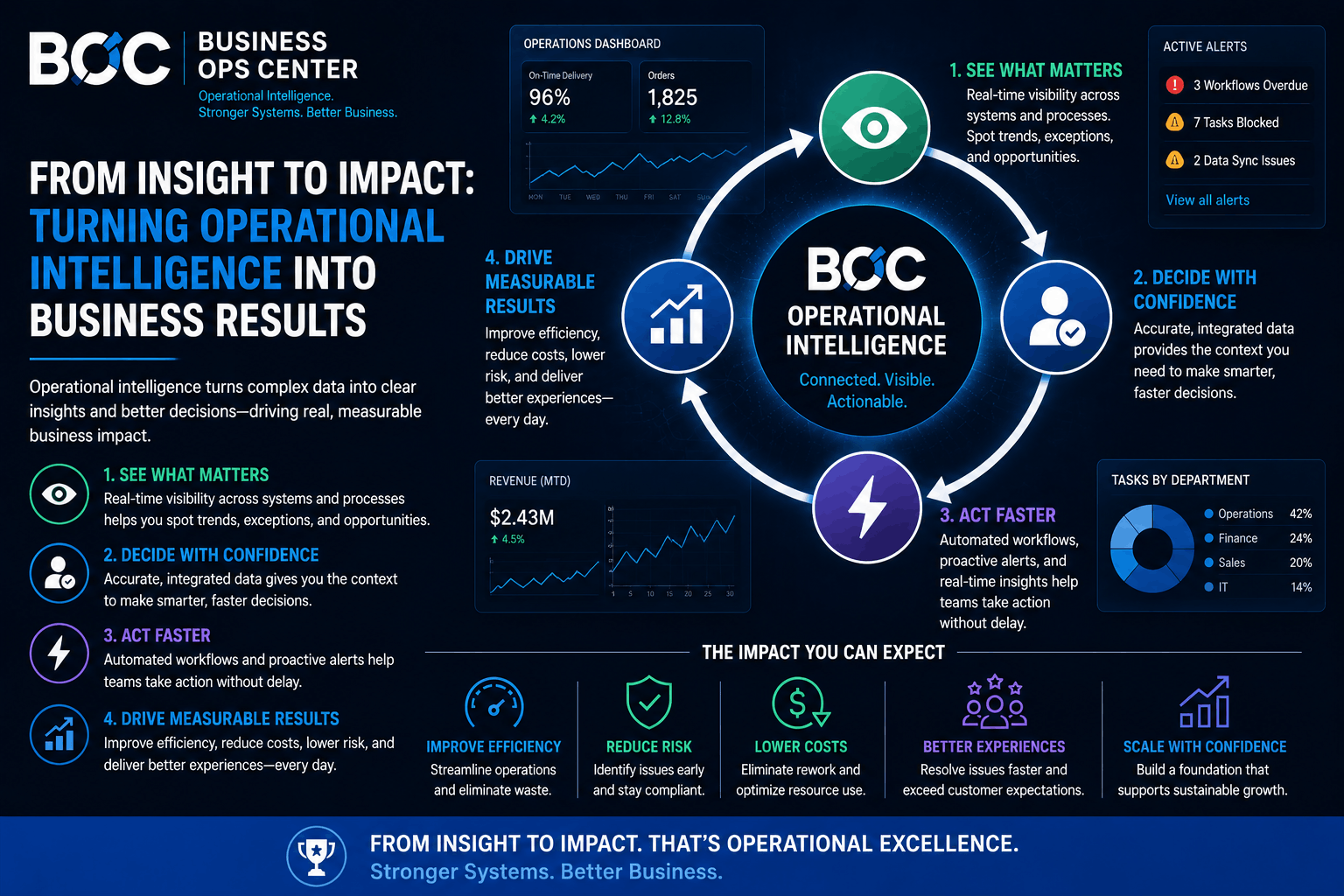
As businesses scale, operational complexity increases rapidly. Teams often develop independent workflows that vary significantly between departments. While these processes may appear manageable initially, inconsistency becomes increasingly difficult to coordinate as organizations grow.
Without standardized workflows, businesses frequently experience:
- Delayed approvals
- Communication fragmentation
- Duplicate operational work
- Inconsistent reporting
- Reduced accountability
- Operational bottlenecks
- Workflow confusion
- Limited cross-functional visibility
Departments may use different approval methods, communication processes, reporting standards, or workflow structures for similar operational tasks. Over time, this fragmentation reduces operational efficiency and creates confusion across teams.
Organizations often attempt to compensate through additional meetings, manual coordination, and increased oversight rather than improving operational consistency systemically. While this may temporarily reduce friction, it rarely creates sustainable operational scalability.
The Strategic Value of Workflow Standardization
Workflow standardization improves operational visibility, accountability, scalability, and execution consistency across the organization.
Businesses with standardized operational environments often gain:
- Faster operational execution
- Improved cross-functional coordination
- Better reporting reliability
- Reduced workflow delays
- Stronger operational accountability
- Improved governance readiness
- Greater organizational scalability
- Better operational transparency
Standardized workflows create environments where operational execution becomes more predictable, measurable, and easier to manage at scale.
Organizations with consistent workflows can onboard employees more efficiently, coordinate departments more effectively, and reduce operational confusion across complex business environments.
As an operational systems architecture, standardized execution becomes increasingly valuable for maintaining organizational responsiveness and workflow efficiency.
Workflow Visibility and Coordination
Operational visibility depends heavily on workflow consistency. Leadership teams cannot reliably monitor execution, approvals, operational performance, or accountability when workflows operate inconsistently across departments and teams.
Workflow standardization improves visibility by:
- Defining responsibilities clearly
- Standardizing approvals
- Supporting centralized reporting
- Improving workflow tracking
- Reducing fragmented communication
- Increasing operational transparency
Organizations with coordinated operational environments gain stronger visibility into workflow performance and organizational execution. Leadership teams can identify bottlenecks more quickly, monitor operational efficiency more accurately, and improve decision-making using reliable operational data.
Consistent workflows also improve collaboration because employees understand how operational processes function across departments and business units.
Automation Without Standardization Creates Risk
Many organizations automate fragmented workflows without first establishing operational consistency. This often creates disconnected automation environments that increase complexity rather than reducing it.
Automation works most effectively when workflows are:
- Clearly defined
- Standardized across departments
- Supported by centralized visibility
- Coordinated operationally
- Governed consistently
Businesses that automate inconsistent workflows often accelerate operational fragmentation instead of improving coordination. Disconnected automation systems can create duplicate tasks, inconsistent reporting, approval confusion, and operational blind spots.
Before introducing large-scale automation, organizations should first establish standardized workflows capable of supporting scalable operational coordination.
How Businesses Can Improve Workflow Standardization
Organizations seeking stronger operational consistency should intentionally design workflows that support coordination, accountability, governance, and visibility.
For teams standardizing approval-heavy business card workflows, Business Card Manager provides centralized ordering, workflow routing, and operational visibility for distributed organizations.
Recommended strategies include:
- Standardizing operational processes
- Clarifying workflow ownership
- Centralizing approval structures
- Improving operational reporting visibility
- Reducing manual coordination dependencies
- Establishing governance-oriented operational frameworks
- Improving cross-functional communication
- Aligning systems and workflows strategically
Businesses that prioritize workflow standardization often improve operational responsiveness, scalability, and organizational coordination while reducing workflow inefficiencies.
Long-term operational maturity depends heavily on the ability to create repeatable, scalable, and visible execution environments.
Conclusion
Workflow standardization is becoming increasingly important for modern operational environments. Businesses that prioritize operational consistency create stronger foundations for scalability, accountability, workflow visibility, governance readiness, and execution reliability.
As operational complexity increases across industries, organizations that intentionally standardize workflows will gain significant advantages in coordination, operational maturity, governance infrastructure, and organizational efficiency.
Modern business scalability increasingly depends on coordinated operational infrastructure rather than isolated productivity improvements.